Table of Contents
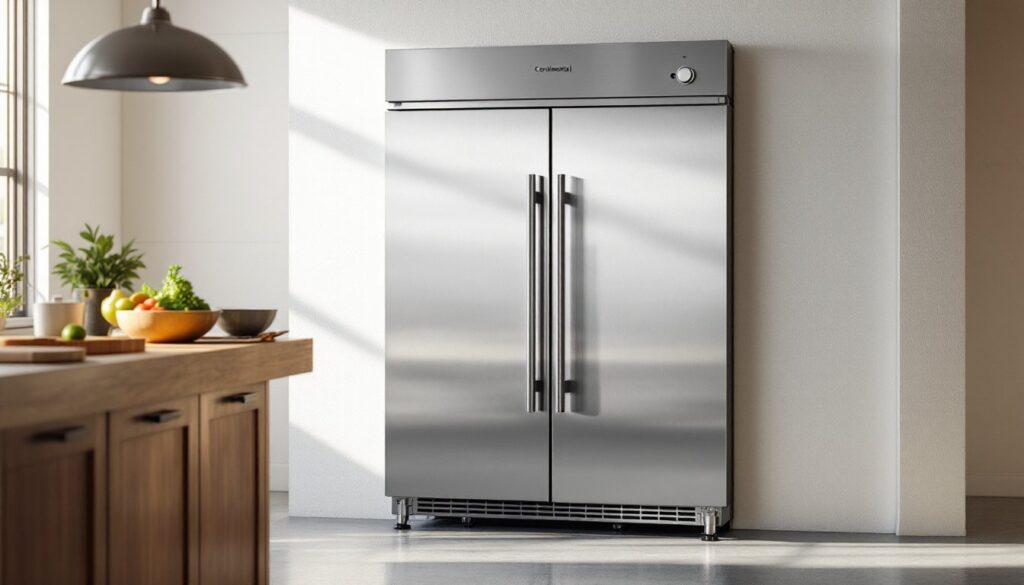
ToggleIf you’ve ever walked into a professional kitchen or seen behind the scenes at a restaurant, you’ve likely spotted one: a sleek, stainless steel Continental refrigerator built to withstand serious use. While these commercial-grade units are designed for foodservice environments, homeowners looking for heavy-duty cooling, especially those with large families, frequent entertainers, or serious cooks, are increasingly bringing them home. These aren’t your standard residential fridges. They’re workhorses built for performance, longevity, and capacity that far exceeds what you’ll find in a big-box appliance store. But before you make the jump to commercial cooling, it’s crucial to understand what you’re getting into, from electrical requirements to maintenance realities.
Key Takeaways
- Continental refrigerators offer double the storage capacity of high-end residential models, making them ideal for bulk buyers, frequent entertainers, and serious cooks who need commercial-grade performance at home.
- A Continental refrigerator requires careful planning: confirm your electrical service supports the unit (115V for single-door, 208-230V for larger models), allow 3 to 6 inches of ventilation clearance, and ensure your floor can handle weights exceeding 500 pounds.
- While a Continental refrigerator lasts 10 to 15+ years with exceptional temperature stability and durability, expect higher energy consumption (800 to 1,200 kWh annually) and noisier operation than residential units.
- Maintenance of your Continental refrigerator is straightforward but essential: clean condenser coils every 3 to 6 months, inspect door gaskets monthly, and schedule professional service every 1 to 2 years to prevent costly repairs.
- Commercial refrigerators sacrifice aesthetics and energy efficiency for reliability and simplicity, featuring mechanical controls instead of electronics, which means fewer points of failure and easier, cheaper repairs.
What Is a Continental Refrigerator?
Continental Refrigerator is a manufacturer specializing in commercial refrigeration equipment, including reach-in refrigerators, freezers, prep tables, and under-counter units. Founded in the 1940s, the brand is a staple in restaurants, hospitals, hotels, and institutional kitchens across North America.
Unlike residential refrigerators designed for occasional use and aesthetic appeal, Continental units prioritize durability, capacity, and temperature consistency. They’re built with heavy-gauge stainless steel interiors and exteriors, industrial-grade compressors, and components rated for continuous operation. Most models feature easily cleanable surfaces, NSF certification for foodservice safety, and simplified controls, no touch screens or Wi-Fi connectivity here.
Typical configurations include reach-in models (single-, double-, or triple-door units), undercounter refrigerators and freezers, prep tables with refrigerated compartments, and display cases. Capacity ranges from compact 24-inch undercounter models to massive three-door reach-ins exceeding 70 cubic feet.
These units run on 115V or 208-230V power, depending on size and compressor type. They use commercial-grade refrigerants (commonly R-290 or R-134a) and are designed to maintain precise temperatures between 33°F and 38°F for refrigerators and -10°F to 0°F for freezers, even with frequent door openings.
Key point: Continental refrigerators aren’t sold at typical appliance retailers. They’re distributed through foodservice equipment dealers, which means sourcing, pricing, and support differ significantly from residential appliances.
Key Benefits of Installing a Continental Refrigerator in Your Home
Bringing a commercial refrigerator into a residential kitchen isn’t a decision to make lightly, but for the right homeowner, the advantages are substantial.
Capacity and Organization
A double-door reach-in offers 45 to 55 cubic feet of storage, roughly double what a high-end residential fridge provides. Shelving is adjustable and built from heavy-duty coated wire, designed to handle sheet pans, bulk groceries, or large serving platters. If you buy in bulk, process game or garden harvests, or prep for large gatherings, this capacity is a game-changer.
Temperature Stability
Commercial compressors and evaporator fans are engineered to recover quickly after door openings and maintain tighter temperature ranges than residential units. This matters for food safety and longevity, especially with perishable proteins, dairy, and produce.
Durability and Lifespan
Continental refrigerators are built for 10 to 15+ years of heavy use in demanding environments. Stainless steel construction resists dents, corrosion, and staining. Components like door gaskets, hinges, and fan motors are designed for easy replacement, and parts availability is strong due to the commercial market.
Ease of Cleaning
Stainless interiors and exteriors wipe down quickly. No crisper drawers, awkward corners, or decorative trim to clean around. Removable shelving and simple door seals make deep cleaning straightforward.
No Frills, No Failures
Commercial units skip the ice makers, water dispensers, and electronic controls that often fail in residential models. Mechanical thermostats and simple on/off switches mean fewer points of failure and easier, cheaper repairs.
Honest Trade-Off
You sacrifice aesthetics, energy efficiency (commercial units aren’t built to Energy Star standards), and integrated design. They’re louder, bulkier, and utilitarian in appearance.
Choosing the Right Continental Refrigerator Model for Your Space
Not all Continental models suit residential use. Focus on the following factors before selecting a unit.
Usage Needs
Ask yourself: What will this store? A household that buys bulk meat and processes seasonal produce needs different capacity than one using the unit as overflow storage. Reach-in refrigerators suit primary or secondary kitchen storage. Undercounter models work well in basements, garages, or outdoor kitchens. Prep tables (refrigerated bases with cutting surfaces) are ideal for serious home cooks who want chilled ingredient access during meal prep.
Temperature Range
Most Continental refrigerators operate in the 33°F to 38°F range. If you need freezer space, you’ll want a combination unit or a separate freezer. Freezer models hold -10°F to 0°F, suitable for long-term storage of proteins, stocks, and frozen goods.
Energy Consumption
Commercial refrigerators aren’t designed with residential energy costs in mind. A typical reach-in consumes 800 to 1,200 kWh annually, compared to 400 to 600 kWh for an Energy Star residential fridge. At $0.13 per kWh, that’s an extra $50 to $80 per year. Factor that into your operating budget.
Size and Configuration Options
Continental offers several footprints. Here’s what fits where:
- Single-door reach-in: Roughly 27 to 33 inches wide, 20 to 30 cubic feet. Fits in a standard appliance opening with minor modification.
- Double-door reach-in: 48 to 54 inches wide, 45 to 55 cubic feet. Requires significant floor space and often needs a dedicated electrical circuit.
- Triple-door reach-in: 72+ inches wide, 65 to 75 cubic feet. Best for dedicated pantry rooms, garages, or commercial-style home kitchens.
- Undercounter models: 24, 27, or 48 inches wide, 5 to 12 cubic feet. These fit under standard counter height (34 to 36 inches) and work well as beverage centers or secondary refrigeration.
Depth Considerations
Most commercial units are 28 to 36 inches deep, which often protrudes beyond standard 24-inch-deep residential cabinetry. Plan for this visually and spatially.
Door Swing and Hinge Placement
Commercial doors are reversible, but confirm hinge placement works with your layout. Some models offer half-doors (top and bottom independently open) to reduce cold air loss.
Installation Considerations and Requirements
Installing a Continental refrigerator is more involved than sliding a residential fridge into place. Here’s what you need to address.
Electrical Requirements
Most single-door units run on 115V/60Hz, compatible with standard household circuits. Larger double- and triple-door models require 208-230V service, meaning a dedicated circuit and possibly an electrician to install a new breaker and outlet. Check the unit’s data plate for amperage draw, typically 6 to 15 amps depending on size.
Ventilation Clearances
Commercial refrigerators vent heat from the rear or top. Allow 3 to 6 inches of clearance on all vented sides for proper airflow. Insufficient ventilation causes compressor overheating, short cycling, and premature failure. Don’t box these units tightly into cabinetry without ensuring adequate air movement.
Flooring
A fully loaded double-door reach-in can exceed 500 pounds. Ensure your floor can support the weight, especially on upper floors or over crawl spaces. Leveling is critical, use the adjustable legs and a bubble level to ensure the unit sits plumb. This prevents door seal issues and compressor strain.
Plumbing (Usually Not Required)
Most Continental refrigerators are self-contained and don’t require water lines. If you choose a model with an optional ice maker kit, you’ll need a 1/4-inch water line with a shutoff valve, similar to residential installations.
Noise
Commercial compressors and fans are louder than residential units, expect 50 to 60 decibels during operation, similar to a dishwasher. If installing in or near living spaces, consider sound insulation or placement in a utility area.
Access and Delivery
These units are heavy and large. Measure doorways, hallways, and staircases. Delivery usually requires two people minimum. Some dealers offer installation services: factor that cost in if you’re not comfortable handling it yourself.
Maintenance Tips to Keep Your Continental Refrigerator Running Efficiently
Commercial refrigerators demand regular upkeep, but the tasks are straightforward.
Clean Condenser Coils Every 3 to 6 Months
Dust, grease, and debris accumulate on condenser coils (located on the rear or bottom), reducing efficiency and forcing the compressor to work harder. Unplug the unit, remove the grille or access panel, and vacuum the coils with a brush attachment or use a condenser coil brush (available at HVAC supply stores). This simple step extends compressor life significantly.
Inspect and Clean Door Gaskets Monthly
Door seals keep cold air in. Wipe gaskets with warm soapy water to remove food residue and grime. Check for cracks, tears, or gaps, hold a flashlight inside the closed unit and look for light leaks. Replace worn gaskets promptly: they’re inexpensive and easy to swap (most snap or screw into place).
Check Drain Lines and Pans
Many models have a condensate drain leading to a pan beneath the unit. Verify the drain isn’t clogged (use a pipe cleaner or warm water flush). Empty and clean the drip pan every few months to prevent mold and odors.
Monitor Temperature Daily
Use an appliance thermometer to verify internal temps stay within the 33°F to 38°F range for refrigerators or -10°F to 0°F for freezers. If temps drift, check door seals first, then airflow around the unit. Persistent issues may signal a failing thermostat or low refrigerant, call a commercial refrigeration technician.
Lubricate Hinges and Latches Annually
Apply a food-grade lubricant to door hinges and latch mechanisms to prevent squeaking and ensure smooth operation.
Defrost Freezers as Needed
Most Continental freezers are manual defrost or partial auto-defrost. If frost buildup exceeds 1/4 inch, unplug the unit, remove contents, and let it thaw. Wipe down and restart.
Schedule Professional Service Every 1 to 2 Years
A commercial refrigeration tech can check refrigerant levels, test the compressor, inspect electrical connections, and catch issues before they become expensive failures. Budget $150 to $300 for a standard service call.
Conclusion
A Continental refrigerator isn’t the right fit for every home, but for those who need serious capacity, durability, and temperature control, it’s a worthy investment. Expect to handle higher energy costs, a utilitarian look, and the realities of commercial equipment maintenance. If you cook in volume, entertain regularly, or simply want a fridge that’ll outlast the mortgage, this category deserves a hard look. Just go in with eyes open: measure your space, confirm your electrical service, and budget for the occasional service call. The payoff is a refrigerator that works as hard as you do.