Table of Contents
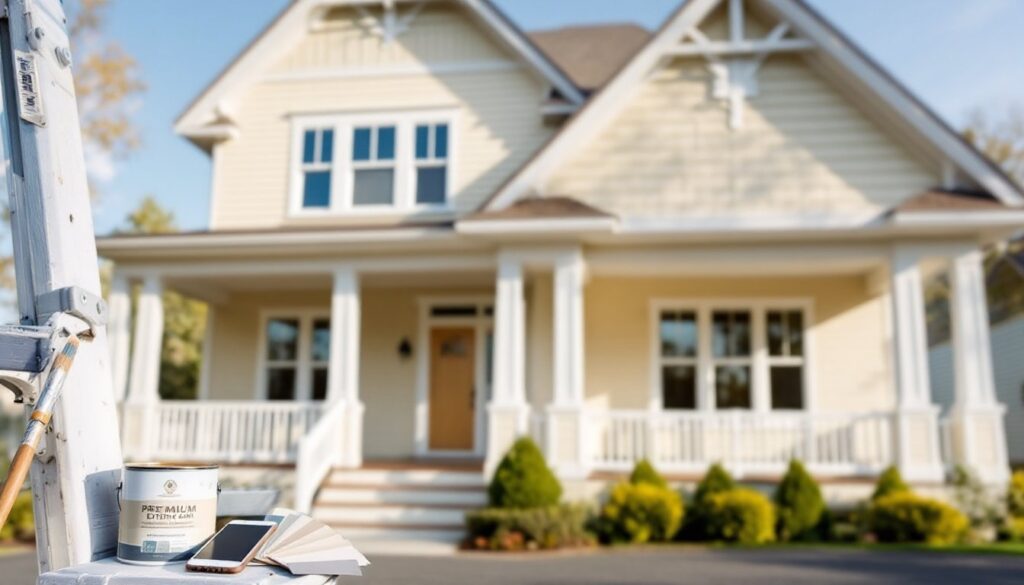
ToggleChoosing an exterior paint color isn’t just about curb appeal, it’s about protecting your investment and making a statement that lasts 10-15 years. Behr has become a go-to brand for homeowners tackling exterior repaints, offering a massive color palette, proven durability formulas, and accessibility through Home Depot. Whether you’re refreshing a craftsman bungalow or giving a midcentury ranch a bold update, understanding Behr’s color families and product lines will save you time, money, and the regret of choosing a shade that looked perfect on a two-inch chip but wrong on 2,000 square feet of siding.
Key Takeaways
- Behr exterior paint colors offer 15-year warranty protection with premium formulas like Premium Plus Ultra, making them a reliable investment for long-lasting curb appeal.
- Popular Behr exterior paint colors for 2026 range from timeless neutrals like Swiss Coffee to bold choices like Cracked Pepper and In the Moment, each suited to different architectural styles.
- Always test Behr paint samples on multiple home elevations at different times of day before committing, as colors shift dramatically based on sunlight, surface texture, and surrounding elements.
- Proper surface preparation—including cleaning, scraping, sanding, and priming—is more critical than color choice for ensuring your exterior paint finish lasts the full warranty period.
- Match your Behr exterior paint selection to your home’s architectural style, roof color, fixed elements, and regional climate to avoid color mismatches and premature fading.
Why Behr Is a Top Choice for Exterior Paint Projects
Behr’s dominance in the exterior paint market comes down to three things: formula performance, color consistency, and price point. Their Premium Plus Ultra Exterior line offers paint-and-primer-in-one coverage with mildew resistance and fade protection, critical for climates with high UV exposure or humidity. The warranty backs that up: 15 years for Premium Plus Ultra when applied according to specs.
Color matching across Behr’s various product lines (Marquee, Dynasty, Premium Plus) stays consistent, which matters when you’re buying multiple gallons or touching up years later. The proprietary color formulas are exclusive to Home Depot, so you won’t get exact matches at other retailers, but you also won’t deal with third-party tinting inconsistencies.
One gallon of Behr exterior paint typically covers 250-400 square feet depending on surface texture and porosity. Rough-sawn cedar or stucco will drink more paint than smooth fiber cement siding. For most two-story homes with wood or composite siding, budget 8-12 gallons for two coats. Always add 10% for waste, touchups, and future repairs.
Safety note: When prepping exterior surfaces, wear respirator masks rated for dust and lead if your home was built before 1978. Scraping old paint releases particulates that require proper PPE and containment per EPA RRP rules.
Most Popular Behr Exterior Paint Colors for 2026
Timeless Neutrals and Whites
Swiss Coffee (12) remains Behr’s best-selling exterior white for good reason, it’s a warm, creamy off-white that doesn’t look sterile or yellowed. It pairs well with white trim (try Ultra Pure White for contrast) and works on everything from farmhouse board-and-batten to colonial clapboard. Coverage is excellent in two coats over primed surfaces.
Aged Beige (N320-2) delivers that modern desert neutral look without going full greige. It reads taupe in morning light, warmer tan in afternoon sun. This shade shows up frequently in home exterior color palettes featuring contemporary and transitional styles. Pair it with black or charcoal trim for a high-contrast look, or use Cracked Pepper for a softer edge.
Sculptor Clay (PPU5-12) hits the sweet spot between gray and beige, what paint pros call “greige.” It’s neutral enough to play well with brick, stone, or wood accents but has enough warmth to avoid that cold, institutional gray look. Test this one on north-facing walls: it can pull cooler in low light.
Bold and Dramatic Color Choices
Cracked Pepper (PPU18-01) is Behr’s answer to the modern black house trend. It’s a near-black charcoal that doesn’t fade to purple like some cheaper blacks. Use it on vertical siding or board-and-batten for maximum impact, but be aware: dark colors absorb more heat and may void vinyl siding warranties due to thermal expansion. Check manufacturer specs before going dark on vinyl.
Blueprint (S470-5) offers a sophisticated navy without skewing too nautical. It works particularly well on Queen Anne Victorians, Cape Cod cottages, and craftsman homes with substantial trim. Navy shows dirt less than lighter colors but will need surface prep every 7-10 years to maintain its depth. Pair with white trim and a red or yellow door for classic contrast.
In the Moment (M450-7) is Behr’s 2024 Color of the Year, a muted terracotta that bridges southwest style with modern farmhouse. It’s bold but earthy, working well with natural wood tones, black metal accents, and desert landscaping. This color needs two solid coats over a tinted primer to avoid streaking, don’t skip the primer step.
How to Choose the Right Behr Exterior Color for Your Home Style
Your architectural style should guide your color palette, not fight it. Craftsman and bungalow homes traditionally use earthy tones, Mossy Gold, Cedar Natural Tone, or Wheat Bread, with contrasting trim in white or cream. The key is highlighting the deep eaves, exposed rafter tails, and tapered porch columns that define the style.
Colonial and traditional homes lean toward historical accuracy: muted reds (Fired Brick), classic grays (Silver Drop), or creamy whites (Cotton Knit). These styles have symmetry and proportion as their defining features, so color should enhance, not distract. Shutters in black or forest green provide traditional contrast.
Midcentury modern works best with unexpected color: avocado greens, burnt oranges, or even the aforementioned Cracked Pepper. These homes have clean lines and minimal ornamentation, so bold color becomes the architectural statement. Balance is key, if you go bold on siding, keep trim and accents restrained.
Farmhouse and cottage styles currently favor high-contrast schemes: white siding with black trim, or light gray with dark charcoal accents. This isn’t historically accurate (traditional farmhouses used whatever paint was cheapest), but it photographs well and sells houses. If that matters to you, lean into the trend.
Consider your fixed elements, roof color, stonework, brick, concrete foundation. A brown or gray roof limits your palette more than black or dark gray. Red brick looks muddy next to certain beiges and taupes. Pull a chip from your roofing shingles and bring it to the paint desk when selecting colors.
Regional climate affects longevity. In the Southeast, mildew-resistant formulas and lighter colors reduce heat absorption and biological growth. Southwest homes can handle saturated colors that would fade quickly in Florida’s humidity. Northern climates see less UV fade but deal with freeze-thaw cycles that crack poorly prepped surfaces, making prep more important than color choice.
Tips for Testing and Visualizing Behr Paint Colors Before You Commit
Never choose a final color from a paint chip under fluorescent store lighting. Behr sells 8 oz. sample cans for around $3-4 each, buy at least three colors you’re considering. Paint 2′ x 2′ test squares on different elevations of your home: one facing south (maximum sunlight), one facing north (minimal direct light), and one on the elevation you see most from the street.
Let the samples dry for 24 hours before judging. Wet paint looks completely different from cured paint. View your test squares at different times of day: early morning, midday, late afternoon, and dusk. Colors shift dramatically based on sun angle and ambient light. What looks like a soft gray at 10 a.m. might read purple-blue at sunset.
Behr’s ColorSmart by Behr mobile app and website tool lets you upload a photo of your home and virtually test colors. It’s helpful for narrowing options but don’t rely on it exclusively, screen calibration and photo quality affect accuracy. Use it to eliminate obvious mismatches, then test with real paint samples.
Many design inspiration platforms feature exterior photos filtered by paint brand and color, letting you see how specific Behr shades perform on different siding types and architectural styles. Search by your home style and material (fiber cement, vinyl, wood, brick) for the most relevant examples.
Consider your neighborhood context. If every house on the block is beige or gray, a saturated blue or green will stand out, which may or may not be your goal. Some HOAs have paint approval processes, so check covenant restrictions before buying five gallons of Cracked Pepper.
Get feedback, but don’t poll the entire neighborhood. Ask one or two people whose taste you trust, then make a decision. Too many opinions create paralysis, and you’ll never get consensus on something as subjective as color. Trust your test squares and your gut.
Prep matters more than color. Even the best Behr exterior paint will fail over flaking old coats, mildewed siding, or bare wood that hasn’t been primed. Clean all surfaces with a TSP substitute, scrape loose paint, sand glossy areas to promote adhesion, and spot-prime bare wood or stains with an oil-based primer like Zinsser Cover Stain. Most paint failures blamed on “bad color choice” are actually prep failures showing through as uneven sheen or early peeling. Proper surface prep and following Behr’s application temperature guidelines (typically 50-90°F) will give you a finish that looks good and lasts the full warranty period.
Conclusion
Choosing the right Behr exterior color means balancing personal taste with architectural appropriateness, climate considerations, and practical longevity. Test thoroughly, prep obsessively, and don’t rush the decision, this color will greet you every time you pull into the driveway for the next decade. If you’re uncertain about large-scale application or working above the first story, hiring a professional painter for at least the high work is money well spent. The color you choose is only as good as the prep and application underneath it.