Table of Contents
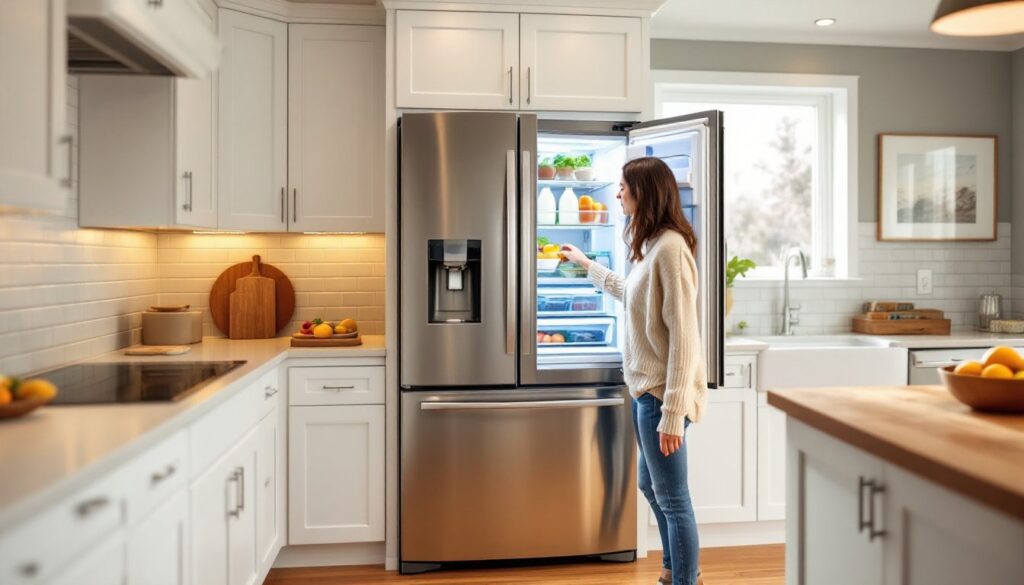
ToggleA 30 inch french door refrigerator is the sweet spot for homeowners working with tight kitchen footprints, especially in condos, galley kitchens, or older homes with non-standard cabinet runs. Unlike side-by-side models that waste vertical space or top-freezers that force you to crouch for fresh food, French door fridges put eye-level access and flexible storage in a footprint that fits between standard base cabinets (typically 30″ nominal width). They’re popular in kitchen remodels where layout constraints meet modern expectations for organized storage and energy efficiency. This guide covers what to look for, how to measure for installation, and which models deliver the best value in 2026.
Why Choose a 30 Inch French Door Refrigerator?
The 30-inch width is the most common residential refrigerator size in North America, designed to slide into standard kitchen cabinet openings without custom millwork. French door models in this footprint combine the ergonomic advantages of double doors (less cold air loss when grabbing milk) with a pull-out freezer drawer that keeps frozen goods organized and accessible.
Compared to a 36-inch unit, a 30-inch model typically offers 18–22 cubic feet of total capacity, enough for a household of 2–4 people or a secondary kitchen. You’re trading some bulk storage for flexibility: French door configurations use adjustable shelving, door bins, and slide-out drawers that make it easier to fit wide platters, pizza boxes, or wine bottles without Tetris-level planning.
From a remodeling perspective, sticking with a 30-inch footprint means you won’t need to widen cabinet runs, relocate plumbing, or adjust countertop cuts. If you’re replacing an older top-freezer unit, you may need to verify clearance for door swing (French doors need room to open fully) and confirm that the new unit’s depth doesn’t protrude past your counters (more on that in the installation section).
Energy-wise, smart home technology has pushed modern French door models toward better insulation and inverter compressors that adjust cooling based on usage. Expect ENERGY STAR ratings and annual operating costs around $50–$70, depending on your utility rates and climate zone.
Top Features to Look for in a 30 Inch French Door Fridge
Not all 30-inch French door refrigerators are created equal. Here’s what separates a solid workhorse from a unit you’ll regret in two years.
Storage Capacity and Interior Configuration
Usable capacity beats raw cubic footage. A fridge advertised at 20 cu. ft. might have poorly designed shelving that forces you to remove half the bins to fit a sheet cake. Look for:
- Adjustable/removable shelves: Tempered glass shelves that slide or fold let you customize height for tall pitchers or stacked containers. Spillproof edges (a raised lip around the glass) contain leaks.
- Gallon door bins: Full-width bins on the door should accommodate gallon jugs without blocking smaller condiment slots.
- Deli/humidity-controlled drawers: A dedicated full-width drawer with adjustable humidity keeps produce crisp and deli meats fresh longer. Some models include a temperature-adjustable drawer for charcuterie or beverages.
- Freezer organization: Pull-out freezer drawers with dividers or sliding baskets prevent the “frozen avalanche” problem. Cheap models use a single open bin, avoid those.
Interior LED lighting is standard now, but placement matters. Look for lights mounted on the side walls or under shelves, not just the ceiling, so you can see into drawers and back corners.
Energy Efficiency and Smart Technology
ENERGY STAR certification is the baseline, but dig deeper. The yellow EnergyGuide label shows estimated annual kWh usage, compare models directly. Inverter (variable-speed) compressors cycle less aggressively than older single-speed units, cutting energy use by 20–30% and reducing temperature swings that spoil food faster.
Smart features range from useful to gimmicky:
- Wi-Fi connectivity with door alerts: Notifies your phone if the door’s left open, legitimately helpful if you have kids.
- Internal cameras: Some units have interior cameras viewable via app, so you can check your grocery inventory from the store. Useful if you cook from a set ingredient list: overkill otherwise.
- Voice control integration: Alexa/Google Assistant compatibility lets you adjust temperature or activate ice makers hands-free. Convenient, but not a dealbreaker if you’re budget-conscious.
Skip touch-screen displays unless you’ll actually use recipe apps or calendar functions. They add $200–$400 to the price and are the first thing to fail out of warranty.
Measuring Your Space: Installation Considerations
A 30-inch refrigerator isn’t exactly 30 inches wide. Nominal sizing refers to the cabinet opening, not the appliance itself. Most 30-inch fridges measure 29.5–29.875 inches in width to allow clearance. Here’s how to measure correctly:
- Width: Measure the opening between cabinets at the narrowest point (base cabinets can bow slightly). Add 1/8 to 1/4 inch total clearance. If your opening is exactly 30″, you’re fine. If it’s 29.75″, verify the fridge’s actual width before ordering.
- Depth: Standard countertop depth is 24–25 inches (including overhang). Most 30-inch French door fridges are 33–36 inches deep with doors closed, so they’ll protrude 8–12 inches past your counters. Counter-depth models (typically 24–30 inches deep) sit flush but sacrifice 2–4 cu. ft. of capacity. If aesthetics matter and you’re doing a full kitchen remodel, counter-depth is worth the trade-off. If you’re replacing an appliance in an existing layout, standard depth is more practical.
- Height: Ceiling and cabinet clearance matter. Most units are 68–70 inches tall. Measure from floor to the bottom of any overhead cabinet or soffit. The manufacturer’s spec sheet will list required clearance (usually 1 inch top, 1/2 inch sides) for ventilation, this isn’t optional. Blocking airflow kills compressors.
- Door swing: French doors need roughly 90 degrees of swing to access crisper drawers fully. Measure from the hinge side to any perpendicular wall or island. If the fridge sits in a corner, you may need to pull it forward slightly.
Electrical: Refrigerators require a dedicated 15- or 20-amp circuit (check the unit’s nameplate). The outlet is typically behind the fridge at baseboard level. If you’re moving the fridge location, hire an electrician, this isn’t a DIY extension cord situation.
Flooring: If you’re replacing flooring, install it under the fridge. Hardwood, tile, and vinyl need to run continuous for future appliance swaps. Don’t scrimp and cut around it.
Water line (if your fridge has an ice maker or water dispenser): You’ll need a 1/4-inch copper or braided stainless supply line tapped into a cold water pipe. Saddle valves (the old push-through type) are cheap but prone to leaks, use a compression tee valve instead. If you’re not comfortable sweating copper or working with PEX, this is a $150–$250 plumber call.
Best 30 Inch French Door Refrigerator Options in 2026
Here are standout models across different budgets and feature sets. Prices reflect mid-2026 averages and can swing ±15% based on regional sales and finish options (stainless, black stainless, panel-ready, etc.).
Budget-conscious: Whirlpool WRF540CWHZ (~$1,600–$1,800)
- 19.6 cu. ft. total capacity
- ENERGY STAR certified, LED interior lighting
- Humidity-controlled crisper, gallon door bins, in-door ice maker
- No Wi-Fi, no fancy features, just solid construction and a proven track record for reliability
Why it works: Whirlpool’s entry-level French door models use straightforward mechanical controls and a compressor that’s been in production for years. Parts are cheap and widely available. If you’re a DIY remodeler on a budget or furnishing a rental, this is the safe pick.
Mid-range: Samsung RF28R6202SR (~$2,200–$2,500)
- 21.5 cu. ft. with FlexZone drawer (convertible fridge-to-freezer)
- Twin Cooling Plus (separate evaporators for fridge and freezer to prevent odor transfer)
- Wi-Fi enabled, door alarm, LED lighting on three sides
- Fingerprint-resistant finish
Why it works: The FlexZone drawer is genuinely useful for party prep (extra beverage chilling) or bulk Costco runs. Samsung’s app integration is polished, and the dual evaporator system keeps produce fresher longer than single-system models. Be aware: Samsung’s ice makers have had reliability issues in past generations, check warranty coverage (typically 1 year parts/labor, 5 years sealed system).
Premium: LG LRFCS2503S (~$2,800–$3,200)
- 24.5 cu. ft. (among the highest in the 30-inch class)
- SmartThinQ app with voice control, door-in-door design, Craft Ice (slow-melting sphere ice maker)
- PrintProof stainless steel, multi-air flow system, 10-year warranty on linear compressor
Why it works: LG’s linear inverter compressor is whisper-quiet and comes with the longest warranty in the industry. The door-in-door feature (a small outer door that opens to frequently accessed items) genuinely reduces cold air loss. If you entertain and want sphere ice for cocktails, the Craft Ice feature is a conversation starter. LG’s build quality and customer service have improved significantly since 2022.
For design-forward kitchens: Bosch B21CT80SNS (~$3,500–$4,000)
- 20.7 cu. ft., counter-depth design
- FarmFresh System (multi-airflow, humidity control, air filter)
- Sleek European styling, bar handles, minimal branding
- Home Connect app, Sabbath mode
Why it works: If you’re doing a modern or minimalist kitchen and want appliances that don’t scream “appliance,” Bosch delivers. The counter-depth profile sits flush with cabinetry, and the interior layout is thoughtfully designed for actual cooking (wide deli drawer, deep door bins). Expect German engineering: tighter tolerances, quieter operation, and a higher price per cubic foot.
Built-in alternative: If you’re committed to a fully integrated look and have the budget, consider a 30-inch built-in refrigerator that accepts custom cabinet panels. These units cost $5,000–$8,000+ but deliver a seamless aesthetic and are designed for 20+ year service life.
For more kitchen design ideas and appliance layout tips, especially in compact spaces, reference resources that specialize in small-kitchen efficiency and workflow optimization.
Conclusion
A 30 inch french door refrigerator is the most versatile appliance choice for standard kitchens, balancing capacity, ergonomics, and installation simplicity. Measure twice (width, depth, height, and door clearance), prioritize features that match your household’s actual usage, and don’t skip the ventilation clearances. Whether you’re working with a $1,600 budget or splurging on a built-in, the right unit will serve you reliably for 12–15 years with minimal fuss.