Table of Contents
ToggleIf you’ve ever made a massive batch of mashed potatoes for Thanksgiving or Sunday dinner, you know the drill: everyone eats their fill, and you’re left with a Tupperware tower in the fridge. But how long can those creamy leftovers actually sit there before they turn into a science experiment? The answer isn’t as straightforward as you might think, it depends on how you stored them, what ingredients you mixed in, and whether you’re spotting the early warning signs of spoilage. This guide walks through the shelf life, proper storage techniques, spoilage indicators, freezing options, and safe reheating practices so you can maximize your leftovers without risking foodborne illness.
Key Takeaways
- Mashed potatoes last 3 to 5 days in the refrigerator when stored properly at or below 40°F, with safety depending on container choice, dairy content, and storage temperature.
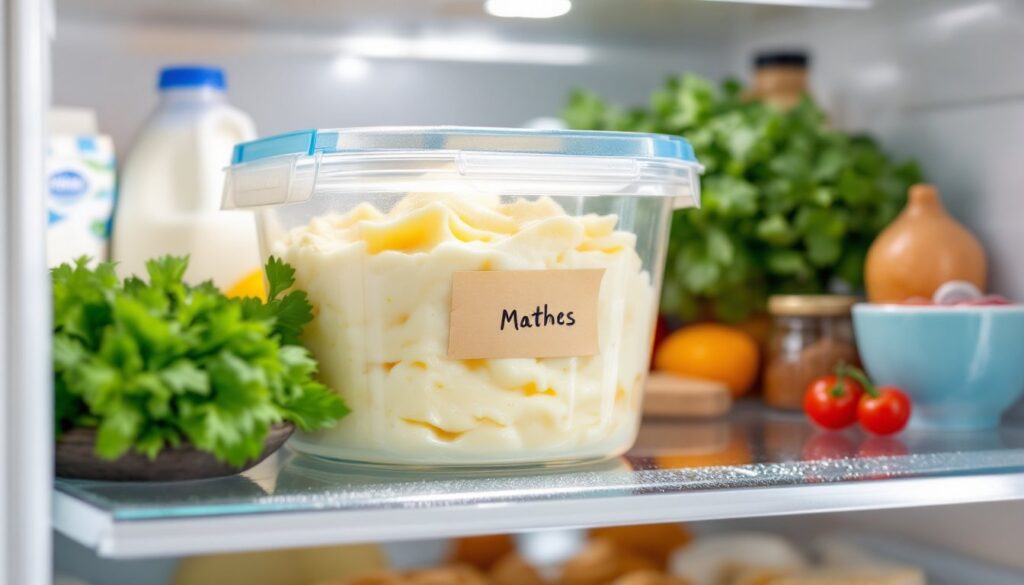
- Cool mashed potatoes quickly in shallow airtight containers, label them with the storage date, and place them on middle or lower shelves—never in the door—to maximize freshness.
- Discard mashed potatoes immediately if they show signs of spoilage including sour smell, mold growth, watery separation, slimy texture, or discoloration, as reheating won’t eliminate bacterial toxins.
- Freezing mashed potatoes extends storage to 10 to 12 months, but thaw only in the refrigerator overnight and always reheat to an internal temperature of 165°F for food safety.
- Always reheat mashed potatoes to 165°F using a thermometer, and never use slow cookers or warming trays, as these appliances may not reach safe temperatures quickly enough.
The Quick Answer: Refrigerator Shelf Life of Mashed Potatoes
Homemade mashed potatoes last 3 to 5 days in the refrigerator when stored properly at or below 40°F. That window applies to standard recipes made with butter, milk, or cream. The USDA recommends consuming cooked potatoes within 3 to 4 days, and the same timeline holds for mashed versions.
Several factors shorten that shelf life:
• Dairy content: The more milk, cream, or sour cream you add, the faster bacterial growth can occur.
• Add-ins: Garlic, chives, or cheese can introduce additional moisture and microbes.
• Temperature abuse: If the mash sat out on the counter for more than two hours (or one hour above 90°F), bacteria multiply rapidly. In that case, toss it, don’t risk it.
• Container choice: Shallow, airtight containers cool the potatoes faster and block airborne contaminants.
If you’re unsure when you made the batch, mark the storage container with masking tape and a permanent marker. Write the date you refrigerated it, not the day you cooked it. That small step prevents guesswork later.
How to Properly Store Mashed Potatoes in the Fridge
Proper storage starts the moment you finish cooking. Letting mashed potatoes cool on the stovetop for hours invites bacterial growth, especially if the room is warm. Follow these steps to maximize freshness:
- Cool quickly: Transfer hot mashed potatoes to a shallow container, two inches deep or less. Shallow layers release heat faster than a deep pot, dropping the internal temperature below the danger zone (40°F to 140°F) in under two hours.
- Seal tightly: Use an airtight lid or press plastic wrap directly onto the surface of the potatoes before snapping the lid on. Surface contact blocks air exposure, which slows oxidation and prevents a dry, crusty top layer.
- Refrigerate promptly: Place the sealed container in the fridge within two hours of cooking. If your kitchen is above 90°F, cut that window to one hour.
- Label and date: Use a marker to note the storage date. Even if you think you’ll remember, a busy week can erase that detail.
- Position strategically: Store mashed potatoes on a middle or lower shelf, not in the door. Door shelves experience temperature swings every time someone opens the fridge, which accelerates spoilage.
Choose the Right Container
Glass or BPA-free plastic containers with snap-lock lids work best. Avoid metal bowls covered in foil, foil doesn’t seal tightly, and condensation can pool on the surface. If you’re short on containers, heavy-duty resealable plastic bags also work: press out excess air, seal, and lay flat on a shelf for even cooling. For smaller portions, consider dividing the batch into single-serving containers. That way, you only open what you’ll eat, keeping the rest sealed and fresh longer.
Signs Your Mashed Potatoes Have Gone Bad
Even within the 3-to-5-day window, mashed potatoes can spoil if they weren’t stored correctly or if your fridge runs warmer than 40°F. Check for these warning signs before reheating:
• Sour or tangy smell: Fresh mashed potatoes smell buttery and mild. A sharp, sour, or fermented odor means bacterial growth has started. Trust your nose, if it smells off, it is off.
• Mold growth: Look for fuzzy spots in white, green, gray, or black. Mold can appear on the surface or along the container edges. Don’t scrape it off and eat the rest: mold roots penetrate deeper than you can see.
• Discoloration: Dark spots, yellowing, or grayish patches indicate oxidation or spoilage. A slight browning on the very top layer might just be air exposure, but deeper color changes are a red flag.
• Watery separation: Some liquid separation is normal, but if you see a thick, cloudy layer pooling at the bottom, bacteria have likely broken down the starches.
• Slimy texture: Run a clean spoon through the potatoes. If they feel sticky, slimy, or stringy, discard the entire batch.
When in doubt, throw it out. Reheating won’t kill all toxins produced by bacteria like Staphylococcus aureus or Clostridium perfringens, both of which thrive in starchy, protein-rich foods. According to guidance on storing and reheating cooked food, cooked potatoes should be consumed within three days for optimal safety.
Can You Freeze Mashed Potatoes for Longer Storage?
Yes, freezing extends shelf life to 10 to 12 months if done correctly. Not all mashed potato recipes freeze equally well, though. Recipes heavy in butter and cream freeze better than those made with skim milk or low-fat substitutes, which can turn grainy when thawed.
Freezing steps:
- Cool completely: Never freeze hot or warm potatoes. Let them cool in the fridge first.
- Portion into servings: Divide into meal-sized amounts using freezer-safe containers or heavy-duty freezer bags. Leave half an inch of headspace in rigid containers to allow for expansion.
- Press out air: If using bags, press out as much air as possible before sealing. Excess air causes freezer burn.
- Label clearly: Write the date and contents on each container. Frozen mashed potatoes look identical to gravy or soup base.
- Freeze flat: Lay bags flat on a baking sheet until solid, then stack them vertically to save space.
Thawing and reheating:
Thaw frozen mashed potatoes in the refrigerator overnight. Never thaw at room temperature, that invites bacterial growth. Once thawed, reheat to an internal temperature of 165°F using a stovetop, microwave, or oven. Stir in a tablespoon of butter or cream if the texture seems dry or separated. A whisk or hand mixer can restore the creamy consistency.
Frozen mashed potatoes won’t taste quite as fresh as the original batch, but they’re perfectly safe and still delicious for casseroles, shepherd’s pie, or potato cakes.
Food Safety Tips When Reheating Refrigerated Mashed Potatoes
Reheating isn’t just about warming up leftovers, it’s a critical food safety step. Bacteria can survive refrigeration and multiply if reheating doesn’t reach the right temperature.
Safe reheating guidelines:
• Target temperature: Heat mashed potatoes to an internal temperature of 165°F. Use an instant-read thermometer to verify, visual cues alone aren’t reliable.
• Stovetop method: Place potatoes in a saucepan over medium-low heat. Add a splash of milk or broth to prevent sticking, and stir frequently. Cover with a lid to trap steam and speed heating.
• Microwave method: Transfer to a microwave-safe dish, cover loosely with a damp paper towel, and heat in 60-second intervals, stirring between each. Check the center temperature with a thermometer.
• Oven method: Spread potatoes in a shallow baking dish, cover with foil, and bake at 350°F for 20 to 30 minutes, stirring halfway through.
Never reheat more than once. Each reheating cycle increases the risk of bacterial contamination. If you won’t finish the entire batch, only reheat the portion you plan to eat immediately.
Safety warnings:
• Don’t use a slow cooker or warming tray to reheat mashed potatoes. These appliances may not reach 165°F quickly enough to kill bacteria.
• Avoid leaving reheated potatoes at room temperature for more than two hours (or one hour if the room is above 90°F).
• If potatoes smell sour or look discolored after reheating, discard them. Heat won’t reverse spoilage.
Conclusion
Mashed potatoes are a versatile side dish, but they’re also a perishable food that requires prompt refrigeration and careful handling. Stick to the 3-to-5-day rule for refrigerated storage, watch for spoilage signs, and always reheat to 165°F. If you need longer storage, freezing works well for up to a year. With the right containers, proper labeling, and attention to temperature, you can enjoy those creamy leftovers without second-guessing their safety.