Table of Contents
ToggleA dishwasher doesn’t clean itself, at least not automatically. Over time, limescale, grease, detergent residue, and food particles build up inside the spray arms, filters, and hidden corners of even the best machines. Bosch dishwashers are engineered for precision and longevity, but they need periodic deep cleaning to maintain performance. Skipping this maintenance leads to cloudy glassware, funky odors, and poor wash results. This guide covers how to use Bosch’s purpose-built cleaner, how often to run it, and what alternatives work when you’re in a pinch.
Key Takeaways
- Bosch dishwasher cleaner uses citric acid and surfactants to dissolve limescale, grease, and detergent buildup while protecting stainless steel and rubber seals.
- Deep clean your Bosch dishwasher every 1 to 3 months depending on water hardness and usage frequency, and immediately if you notice cloudy glasses, odors, or reduced spray pressure.
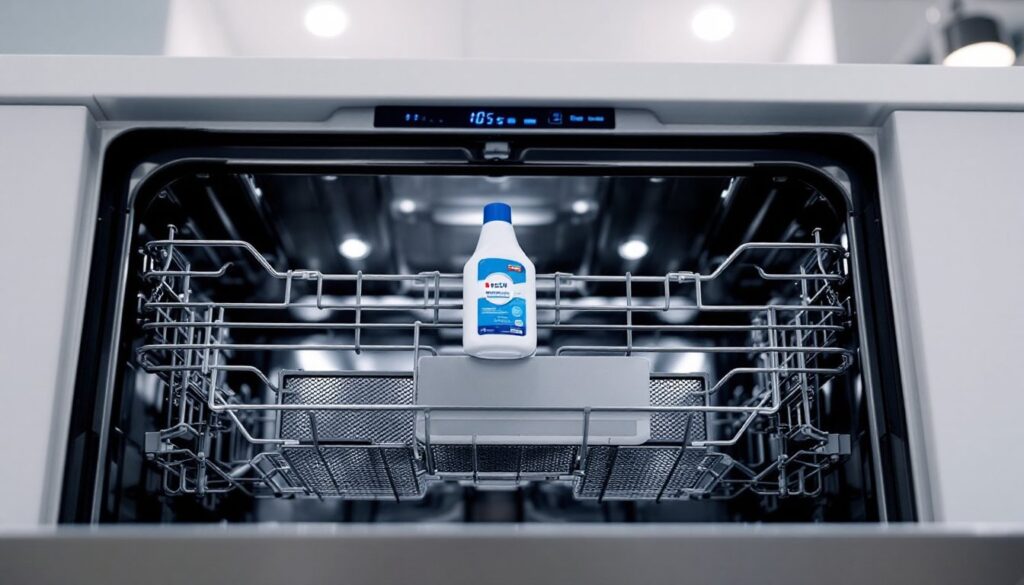
- Place the cleaner bottle upside-down on the lower rack and run the hottest, longest cycle available (such as Heavy or Pots & Pans) for optimal effectiveness.
- Weekly maintenance including filter rinsing, gasket wiping, and spray arm inspection prevents major buildup and extends your dishwasher’s lifespan.
- White vinegar and citric acid offer effective DIY alternatives when Bosch dishwasher cleaner isn’t available, but the OEM product guarantees compatibility and won’t void your warranty.
- Prevent buildup by scraping (not rinsing) dishes, running hot water before cycles, and leaving the door ajar after use to allow proper moisture evaporation.
Why Regular Dishwasher Cleaning Matters for Your Bosch Appliance
Hard water leaves mineral deposits on heating elements and spray nozzles. Grease and detergent residue accumulate in the sump, door gasket, and filter housing. Left unchecked, these buildups restrict water flow, reduce spray pressure, and trap bacteria that cause odors.
Bosch dishwashers use stainless steel tubs and precision-engineered spray arms, but even stainless steel can develop a film from hard water and soap scum. When spray holes clog, dishes don’t get hit with enough water pressure to rinse clean. The result: spotted glasses, gritty residue on plates, and a musty smell when you open the door.
Regular cleaning extends appliance life. A clean machine runs more efficiently, uses less energy, and reduces wear on the pump and heating element. Bosch recommends using their dishwasher cleaner to break down these deposits without damaging seals, gaskets, or the tub finish. It’s preventive maintenance that saves you from costly repairs or premature replacement.
Understanding Bosch Dishwasher Cleaner Products
Bosch manufactures a proprietary dishwasher cleaner (model number varies by retailer, often listed as Bosch 00311506 or similar SKU) formulated specifically for their machines. It comes as a single-use bottle designed to be placed upside-down in the bottom rack during an empty hot-water cycle.
The cleaner is a blend of citric acid and surfactants that target limescale, grease, and detergent buildup. Unlike general-purpose cleaners, Bosch’s formula is pH-balanced to avoid corroding stainless steel, damaging the heating element, or degrading rubber seals and gaskets. It’s NSF-certified and phosphate-free.
You’ll find it in 12 oz bottles at most appliance retailers, hardware stores, and online. A single bottle treats one cleaning cycle. Bosch also offers a dishwasher salt for European models with water softeners, but most North American Bosch units don’t require it, check your owner’s manual.
Why use the Bosch-branded product? It’s engineered to work with the machine’s wash cycle timing and water temperature. Independent testing by cleaning experts often highlights Bosch-compatible options that perform well, but the OEM product guarantees compatibility and won’t void your warranty if you’re within the coverage period.
How to Use Bosch Dishwasher Cleaner: Step-by-Step Instructions
Here’s the proper procedure for using Bosch dishwasher cleaner. Don’t skip steps, each one matters for effectiveness.
-
Remove all dishes, racks, and utensil holders. You’re cleaning the machine, not your dinnerware. The dishwasher must be completely empty.
-
Check and clean the filter. Pull the cylindrical filter assembly from the bottom of the tub (turn counterclockwise and lift). Rinse it under hot water to remove large debris. This prevents debris from recirculating during the cleaning cycle.
-
Place the cleaner bottle upside-down in the bottom rack. Don’t open the bottle, it’s designed to release during the cycle. Position it in the center of the lower rack. If your rack has a dedicated cleaner holder, use it: otherwise, wedge it between tines so it stays upright (inverted).
-
Select the hottest, longest cycle available. On most Bosch models, this is the Heavy or Pots & Pans cycle. High heat is essential, aim for at least 150°F to dissolve limescale and grease. Do not use the rinse-only or express wash settings.
-
Run the cycle to completion. The cleaner releases as the water heats. Let the full cycle finish, including the dry phase. This usually takes 2.5 to 3 hours.
-
Wipe down the door gasket and edges. After the cycle, open the door and wipe the rubber gasket, door lip, and filter area with a damp microfiber cloth. Residual cleaner and loosened grime can pool here.
Safety note: The cleaner is acidic. Avoid skin contact, wear gloves if you handle a leaking or opened bottle. Keep it out of reach of children and pets.
How Often Should You Clean Your Bosch Dishwasher?
Bosch recommends a deep clean every 1 to 3 months, depending on water hardness, frequency of use, and the type of detergent you use.
Monthly cleaning is ideal if:
- You have hard water (above 7 grains per gallon or 120 ppm)
- You run the dishwasher daily
- You notice white film, spots, or odors between cleanings
Quarterly cleaning works for:
- Soft water or homes with a whole-house water softener
- Light use (a few cycles per week)
- Minimal residue buildup
If you see cloudy glassware, smell mustiness, or notice reduced spray pressure, clean it immediately, don’t wait for the scheduled interval. These are signs of advanced buildup that can damage the pump or clog the spray arms.
Between deep cleans, wipe the door gasket and filter weekly. Pull the filter, rinse it under hot water, and check the spray arms for clogged holes. This five-minute routine prevents major buildup and keeps the machine running smoothly.
Alternative Cleaning Methods and DIY Solutions
If you can’t get Bosch cleaner or prefer a DIY approach, there are effective alternatives, but know their limits.
White vinegar: Place 2 cups of distilled white vinegar in a dishwasher-safe bowl on the top rack. Run a hot cycle. Vinegar is acidic and dissolves mineral deposits, but it’s not as concentrated as commercial cleaners. It’s safe for occasional use, but overuse can degrade rubber gaskets over time. General cleaning hacks often feature vinegar, but moderation is key.
Baking soda: After a vinegar cycle, sprinkle 1 cup of baking soda across the bottom of the tub and run a short hot cycle. Baking soda deodorizes and scrubs mild stains but won’t tackle heavy limescale.
Citric acid: Mix 3 tablespoons of food-grade citric acid powder with water in a bowl on the top rack. Run a hot cycle. Citric acid is the active ingredient in many commercial cleaners, including Bosch’s. It’s gentle on seals and effective on hard water buildup.
What to avoid: Skip bleach, abrasive powders, and dishwasher detergent pods during a cleaning cycle. Bleach can corrode stainless steel and damage seals. Abrasives scratch the tub. Detergent creates suds that can overflow and damage the pump.
DIY methods work in a pinch, but if you have severe buildup or warranty coverage, stick with Bosch’s cleaner to avoid voiding protections.
Maintenance Tips to Keep Your Bosch Dishwasher Running Like New
Beyond periodic deep cleaning, a few simple habits prevent most performance issues.
Scrape plates, don’t rinse. Bosch dishwashers are designed to handle food debris. Modern detergents (especially enzyme-based pods) need food particles to activate. Just scrape off large chunks, no pre-rinsing required. This also prevents detergent from over-foaming in an empty tub.
Run hot water before starting a cycle. Turn on your kitchen faucet until the water runs hot, then start the dishwasher. This ensures the first fill is hot, improving detergent activation and cleaning power. It’s especially important if your water heater is far from the kitchen.
Use the right detergent. Bosch recommends enzyme-based pods or powder for best results. Cheap detergents leave more residue. If you have hard water, add a rinse aid, it prevents spots and helps water sheet off dishes during the dry cycle.
Clean the spray arms. Every few months, remove the upper and lower spray arms (they usually twist off). Hold them under running water and use a toothpick or wire to clear clogged spray holes. Clogs reduce water pressure and lead to uneven cleaning.
Inspect the door gasket. Wipe the rubber seal around the door weekly with a damp cloth. Food particles and grease collect here and cause odors. Check for cracks or tears, a damaged gasket leaks and should be replaced.
Leave the door ajar after cycles. Prop the door open slightly after unloading to let moisture evaporate. This prevents mold and mildew growth in the tub and gasket. It’s a simple habit that makes a big difference.
Check the drain. If water pools at the bottom after a cycle, inspect the drain hose for kinks and the air gap (if installed) for clogs. A blocked drain forces the pump to work harder and can burn it out. Practical home maintenance guides emphasize drainage as a common failure point across appliances.
Conclusion
A clean dishwasher is a reliable dishwasher. Using Bosch’s cleaner every one to three months, combined with simple weekly maintenance, keeps spray arms clear, filters clean, and the tub free of buildup. Whether you use the OEM product or a DIY solution, consistency matters. Don’t wait until you see problems. A little preventive care now saves time, money, and frustration down the road.