Table of Contents
ToggleSan Jose homeowners know that real estate value hinges on details, and bathrooms top the list. Whether dealing with outdated tile, cramped layouts, or simply wanting a spa-like retreat after a long commute down 101, a bathroom remodel in San Jose delivers both function and equity. This guide breaks down what it actually costs, what’s trending locally, how to vet contractors, and which permits you’ll need before the first hammer swings. No fluff, just the practical intel to plan a bathroom remodel San Jose CA residents can execute with confidence.
Key Takeaways
- A bathroom remodel in San Jose costs $18,000–$65,000 depending on size and finishes, with labor rates higher than national averages due to California wage laws and local demand.
- Updated bathrooms significantly impact resale value in San Jose’s competitive $1.3M+ market, with dated bathrooms potentially reducing asking prices by $15,000–$30,000.
- A bathroom remodel San Jose homeowners should prioritize curbless showers, matte black fixtures, LED lighting, and water-efficient WaterSense toilets, which are trending locally and improve functionality.
- Verify contractor credentials through the California CSLB license lookup, require minimum $1 million general liability insurance, and obtain itemized bids from at least three professionals before hiring.
- San Jose enforces strict permit requirements for plumbing changes, electrical work, structural alterations, and mechanical upgrades—skipping permits risks your equity, refinancing, and resale potential.
- Plan for 8–12 weeks total for a bathroom remodel San Jose CA project, accounting for 2–4 weeks of design and permitting, 2–3 weeks of active construction, and potential material lead times of 6–14 weeks for custom elements.
Why San Jose Homeowners Are Investing in Bathroom Remodels
Three drivers are pushing bathroom upgrades across the South Bay: aging housing stock, competitive resale markets, and remote work lifestyles.
Most San Jose homes were built between the 1960s and 1980s, which means original bathrooms often feature 5×5 pink tile, single-handle compression faucets, and minimal storage. Functionally, these spaces work, but they don’t meet modern expectations for water efficiency, accessibility, or style. Replacing a 3.5-gallon-per-flush toilet with a WaterSense-certified dual-flush model can cut water use by 20% or more, a real consideration given California’s drought cycles and rising water rates.
On the resale side, San Jose’s median home price hovers above $1.3 million. Buyers at that price point expect updated bathrooms with frameless glass showers, floating vanities, and adequate lighting. A dated bathroom can stall offers or knock $15,000–$30,000 off asking price, depending on the scope of deferred updates.
Finally, hybrid work has shifted priorities. Homeowners spend more time in their primary suites and want functional, well-lit spaces for morning routines. Walk-in showers with bench seating, double-sink vanities, and improved ventilation (code requires 50 CFM minimum for bathrooms under 100 square feet) are no longer luxuries, they’re baseline.
Average Bathroom Remodel Costs in San Jose (2026)
Expect to budget $18,000–$65,000 for a full bathroom remodel in San Jose, depending on size, finishes, and structural changes. Labor runs higher here than national averages due to demand and California wage laws, licensed plumbers charge $120–$180 per hour, electricians $100–$150, and general contractors typically take 15–25% of the total project cost.
A mid-range remodel of a 5×8 hall bath, new vanity, toilet, tub surround, luxury vinyl tile (LVT) flooring, basic lighting, and paint, lands around $22,000–$32,000. That includes removal and disposal of old fixtures, updated supply lines (often required by code once you open walls), and a GFCI-protected circuit for outlets near water sources per NEC Article 210.8.
Primary bathrooms with custom tile showers, heated floors, and upgraded ventilation push costs up fast. Ceramic or porcelain 12×24 tile runs $8–$15 per square foot installed: natural stone like Carrara marble starts at $18. Frameless glass shower enclosures add $1,200–$2,500. If you’re relocating plumbing, say, moving a toilet or reconfiguring a shower drain, add $1,500–$4,000 for breaking and patching slab or crawlspace work.
Don’t forget soft costs: permits ($500–$1,200 depending on scope), design fees (10–15% if hiring a designer), and a 10% contingency for unknowns like rotted subfloor or outdated wiring that doesn’t meet current code.
Budget-Friendly vs. High-End Remodels
Budget remodels ($12,000–$20,000) focus on surface upgrades: refinishing tubs instead of replacing them, installing prefab acrylic shower kits, using stock vanities from big-box stores, and vinyl plank flooring. You can handle demolition yourself to save $800–$1,500 in labor, but leave plumbing and electrical to licensed pros, San Jose enforces strict permit requirements, and DIY work won’t pass inspection.
High-end remodels ($50,000–$90,000+) involve custom cabinetry, radiant floor heating, spa jets, steam showers, and designer fixtures. Expect to source materials from showrooms rather than home centers. These projects often include structural changes, removing a wall (which may require an engineer’s stamp if it’s load-bearing), adding skylights, or expanding into adjacent closets. Material lead times stretch 8–14 weeks for custom elements, and you’ll need detailed drawings for permit approval. For curated design ideas and product sourcing, homeowners often reference platforms like Remodelista to refine their vision before meeting with contractors.
Popular Bathroom Remodel Trends in San Jose
Local trends skew toward clean, contemporary aesthetics with nods to sustainability and tech integration.
Curbless showers are everywhere. They improve accessibility (critical for aging-in-place), make small bathrooms feel larger, and align with universal design principles. Installing one requires sloping the subfloor toward a linear drain, typically a 1/4-inch-per-foot pitch, and waterproofing with a bonded membrane like Schluter KERDI or RedGard. Expect to add $1,800–$3,200 to tile shower costs.
Matte black and brushed gold fixtures continue to dominate, often mixed in the same space (black faucets, gold drawer pulls). Finish durability matters: look for PVD (Physical Vapor Deposition) coatings, which resist corrosion and tarnishing better than electroplated finishes.
LED mirror lighting and color-adjustable recessed cans (2700K–5000K) are replacing single-bulb vanity bars. Proper lighting means task lighting at the mirror (no shadows on faces), ambient lighting overhead, and accent lighting in niches or toe-kicks. Dimmers are code-compliant and add flexibility.
Porcelain slab walls are gaining traction as a grout-free alternative to tile. These 5×10 or 4×8 panels install faster, require less maintenance, and deliver a seamless look. Cost runs higher, $25–$40 per square foot installed, but labor savings and reduced grout cleaning offset the premium for many homeowners.
Finally, smart toilets with bidet functions, heated seats, and auto-open lids are no longer rare. Brands like TOTO and Kohler offer models starting around $1,200. You’ll need a dedicated 120V GFCI outlet behind the toilet, often requiring an electrician to add a new circuit.
How to Choose the Right Bathroom Remodeling Contractor in San Jose
Start with the non-negotiables: California contractor’s license (verify at cslb.ca.gov), general liability insurance (minimum $1 million), and workers’ comp if they employ anyone. A license alone isn’t enough, check the CSLB license lookup for complaints, disciplinary actions, and bonds. A clean record for at least three years is baseline.
Ask for three recent references with projects similar in scope. Call them. Ask about schedule slippage, change-order transparency, cleanup habits, and how the contractor handled problems (because there are always problems). Drive by completed jobs if possible, craftsmanship shows in tile alignment, caulk lines, and how trim meets drywall.
Get itemized bids from at least three contractors. Vague line items like “tile work: $8,500” are red flags. You want to see square footage, material specs (e.g., “12×24 porcelain tile, labor and materials, 65 sq ft”), and separate charges for demolition, disposal, permits, and plumbing/electrical subcontractors. This makes comparing apples-to-apples possible and reveals who’s padding estimates.
Confirm they’ll pull permits. Any contractor who suggests skipping permits to “save money” is risking your equity and your safety. Unpermitted work complicates refinancing, resale, and insurance claims. San Jose requires permits for anything beyond cosmetic updates, new fixtures, relocated plumbing, electrical circuits, or structural changes all need review.
Finally, review the payment schedule. Standard practice is 10% down, progress payments tied to milestones (rough-in inspection, tile complete, final walkthrough), and a 5–10% holdback until you’ve signed off on punch-list items. Never pay in full upfront. You can explore vetted professionals through directories like Houzz’s bathroom remodeling contractors to compare portfolios and reviews.
Permits and Building Codes: What San Jose Homeowners Need to Know
San Jose enforces the 2022 California Building Code (CBC), California Plumbing Code (CPC), and National Electrical Code (NEC). Here’s what triggers permits:
- Plumbing changes: Moving a toilet, shower, or sink: replacing supply lines: installing new drainage.
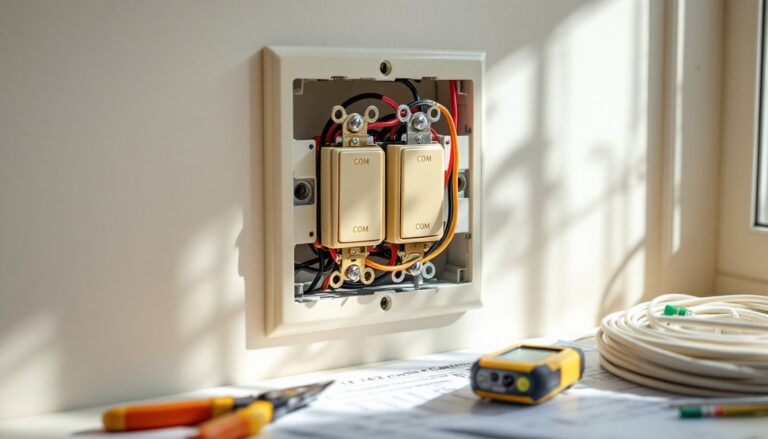
- Electrical work: Adding circuits, relocating outlets, installing new light fixtures on new circuits, or upgrading panels.
- Structural alterations: Removing walls, cutting joists for new drains, or adding heavy features like soaking tubs that exceed floor load ratings (typically 40 psf live load for residential).
- Mechanical: Installing or upgrading exhaust fans rated over 50 CFM or adding in-floor heating systems.
Cosmetic swaps, replacing a vanity with identical plumbing hookups, swapping a light fixture on an existing box, or installing new flooring, generally don’t require permits, but confirm with the city’s building department if you’re unsure.
Key code requirements for bathrooms:
- GFCI protection required for all 120V receptacles within 6 feet of a water source (NEC 210.8).
- Minimum ventilation: 50 CFM exhaust fan or operable window (minimum 3 square feet, at least half openable).
- Tempered glass for shower enclosures and any glazing within 18 inches of the floor or 24 inches of doors.
- Water closet clearance: Minimum 15 inches from centerline to any side wall, 21 inches clear in front.
- Slip-resistant flooring: Minimum 0.60 DCOF (Dynamic Coefficient of Friction) for wet areas.
Plan submittal usually takes 2–4 weeks for approval. Inspections happen at rough-in (after framing/plumbing/electrical but before drywall) and final (after all finishes). If you’re budgeting your project, cost calculators and guides from resources like ImproveNet can help estimate permit fees and project expenses upfront.
Timeline: How Long Does a Bathroom Remodel Take in San Jose?
A typical bathroom remodel in San Jose runs 6–10 weeks from contract signing to final walkthrough. Here’s the breakdown:
- Design and permits: 2–4 weeks. Finalize plans, select materials, submit to the city, and wait for approval. Custom tile or vanities may have 6–12 week lead times, so order early.
- Demolition and rough-in: 3–5 days. Strip out old fixtures, flooring, and wall surfaces. Rough in new plumbing, electrical, and framing. Schedule the rough-in inspection.
- Drywall and waterproofing: 4–6 days. Patch walls, install backer board in wet areas, apply waterproof membranes, tape, mud, and sand. Allow 24–48 hours for membrane curing.
- Tile and flooring: 5–8 days depending on layout complexity. Large-format tile goes faster than mosaics or herringbone patterns. Grout needs 48–72 hours to cure before sealing.
- Fixture installation and finish work: 3–5 days. Set the vanity, toilet, and shower fixtures: install mirrors, lighting, and accessories. Caulk, paint touch-ups, and final cleanup.
- Final inspection and punch list: 1–2 days. Inspector reviews work: contractor addresses any deficiencies.
Delays happen. Material backorders, failed inspections (often due to improper waterproofing or missing GFCI outlets), and subcontractor scheduling can each add a week. Build buffer time into your timeline, especially if you’re down to one bathroom. A realistic estimate for a bathroom remodel San Jose CA contractors quote is 8–12 weeks door-to-door, accounting for permitting and material lead times.